
In the USA, the work-from-home revolution solved one major headache—the daily commute—but it quietly created a brand-new problem that most people didn’t expect: Where do you put your home gym?
If you’ve shifted to remote work over the past few years, you probably already know this pain. You spend your day trying to stay productive, juggling Zoom meetings from the dining table, and then suddenly you realize… it’s 6 PM, you haven’t moved in hours, and you still need a workout. But setting up a traditional home gym isn’t as simple as scrolling Amazon and tossing random equipment into your cart. Your living room is already full. Your bedroom is too small. The garage—if you even have one—is more of a storage cave than usable space.
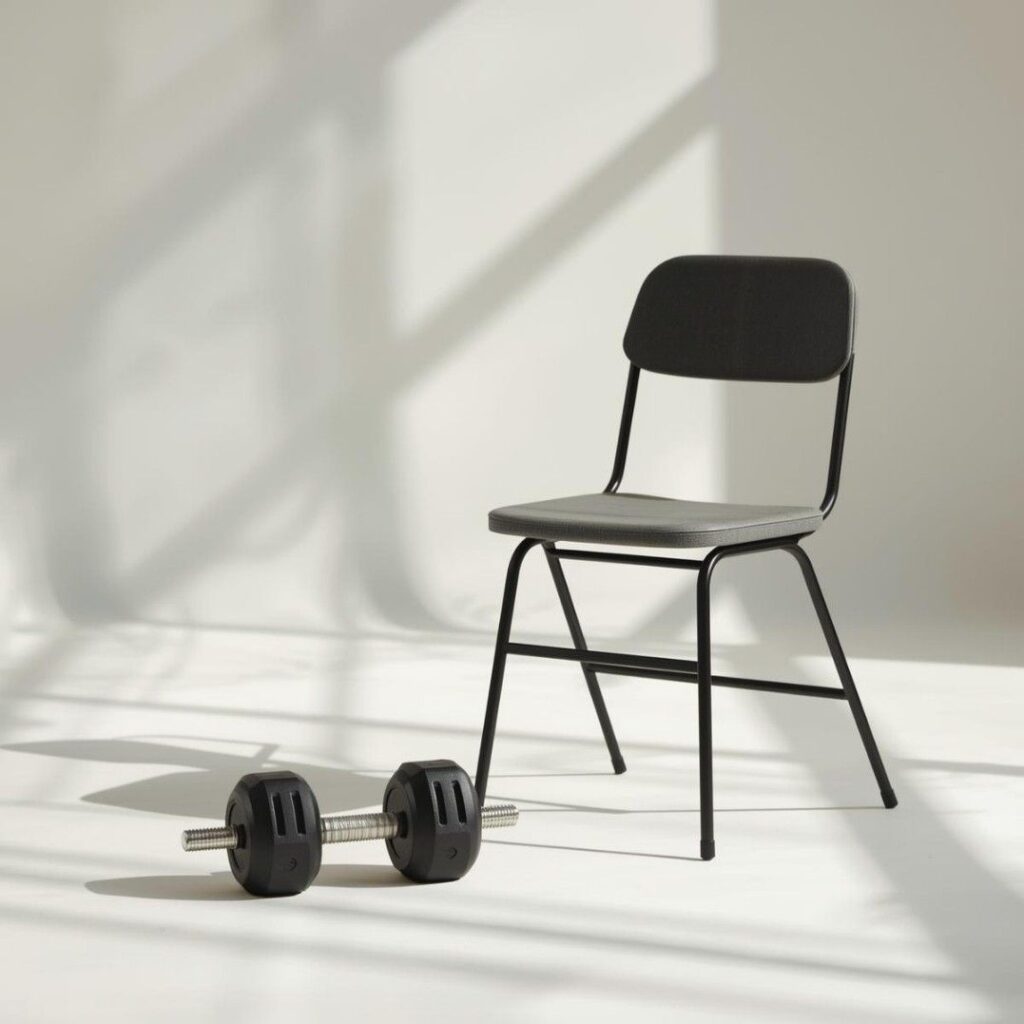
Why Small Home Fitness Equipment Matters More Than Ever
This is exactly where the concept of small home fitness equipment becomes a lifesaver. Not just any fitness equipment, but compact, intelligently designed pieces that fit your life, your home, and your routine. And that’s what we specialize in as your Home Gym Insider: guiding you away from the classic mistake of buying cheap, bulky equipment that breaks fast, hogs space, and ends up collecting dust instead of helping you break a sweat.
Most people who search for affordable home fitness equipment or best home fitness equipment packages want the same thing: maximum results with minimum footprint. But with the market exploding—especially after 2020—there’s way more to choose from, which makes the process confusing, overwhelming, and honestly… a little risky if you don’t know what to look for. Our goal is to help you build a home gym that works with your space instead of against it. A setup that supports your goals, fits in tiny apartments, and blends into your lifestyle without taking over your home.
So, let’s break down the categories, the psychology behind each piece, the real-world pros and cons, and how to choose the best option for your needs.
Why Compact Home Fitness Equipment Became a Necessity in the Remote-Work Era
Before remote work became normal, most people didn’t think twice about gym access. You’d leave your house, go to work, maybe stop by the gym afterward. Your workout happened outside your home, and your living space wasn’t responsible for motivating you. But once millions of Americans started working, eating, relaxing, and living within the same walls, something unexpected happened:
Your house had to become your everything—office, lounge, and gym.
And that’s where people ran into trouble. Traditional gym setups were designed for basements, dedicated rooms, or large garages. But the average apartment renter—or even homeowner—simply doesn’t have an extra 150 square feet to dedicate to bulky equipment.
That’s why the surge of small home fitness equipment, luxury home fitness equipment, and even home fitness equipment for seniors took off. Brands saw the shift and created innovative products designed specifically for:
-
Small apartments
-
Multi-use rooms
-
Remote workers needing movement during the day
-
Beginners wanting quick, simple routines
-
Seniors wanting safe, low-impact equipment
-
People who want a home gym but don’t want their house to look like one
Essentially, the industry reinvented itself around space-saving solutions, and now we get to enjoy the benefits of that evolution.
Adjustable Dumbbells: Why They Became the MVP of Small Home Gyms

Let’s talk about the star of every compact home gym: adjustable dumbbells. It doesn’t matter whether your goal is strength, fat loss, muscle toning, or simply staying active—adjustable dumbbells can handle all of it without turning your home into a cluttered fitness studio.
Traditional dumbbells are great… if you have a garage. But in a small apartment? They’re a disaster. You’d need 10–15 individual pairs to match what a single high-quality adjustable dumbbell set can do. That’s an entire wall of metal replaced by something the size of a shoebox. And the upgrade in convenience is unbelievable.
Most people who buy random dumbbells online end up frustrated. The grab-and-go ones feel good at first but quickly become limiting because you outgrow the weight. The cheap adjustable ones rattle, stick, or feel awkward with certain exercises. But the right adjustable dumbbells—ones with smooth mechanisms, secure locking, and comfortable grip—completely change your workout experience.
People who once swore they could “never work out at home” suddenly find themselves training more consistently, because the equipment is accessible, quick to adjust, and doesn’t feel like a chore to use. And that’s the beauty of compact home fitness equipment: it breaks down your excuses. It removes friction. It makes consistency easier.
The Rise of Under-Desk Walking Pads: The Quiet Cardio Revolution
Now let’s talk about something remote workers are obsessed with: under-desk walking pads. These became popular for one simple reason—sitting is slowly destroying our health, and people are feeling the consequences. Back pain. Low energy. Weight gain. Restlessness. Under-desk walking pads solve all of that without requiring extra time in your day.
What makes them brilliant is that you don’t need to “make time” for cardio anymore. You simply walk while working. You burn calories, get your steps in, increase circulation, and boost energy—all while taking meetings, answering emails, or watching training videos. It basically turns your workday into your workout.
And the best ones are extremely compact, sliding under a bed or sofa when not in use. Some are so slim that you can store them vertically behind a door. This category has opened the door to an entirely new form of home fitness that fits perfectly into modern lifestyles. They’re simple, silent, space-saving, and incredibly effective.
Imagine burning 300–600 calories a day just by walking gently while you work. Over a month? That’s thousands of calories burned—with zero extra effort. This is exactly why these walking pads belong in the “best fitness equipment to lose weight at home” category.
Wall-mounted exercise equipment and smart mirrors: The Vertical Luxury Gym
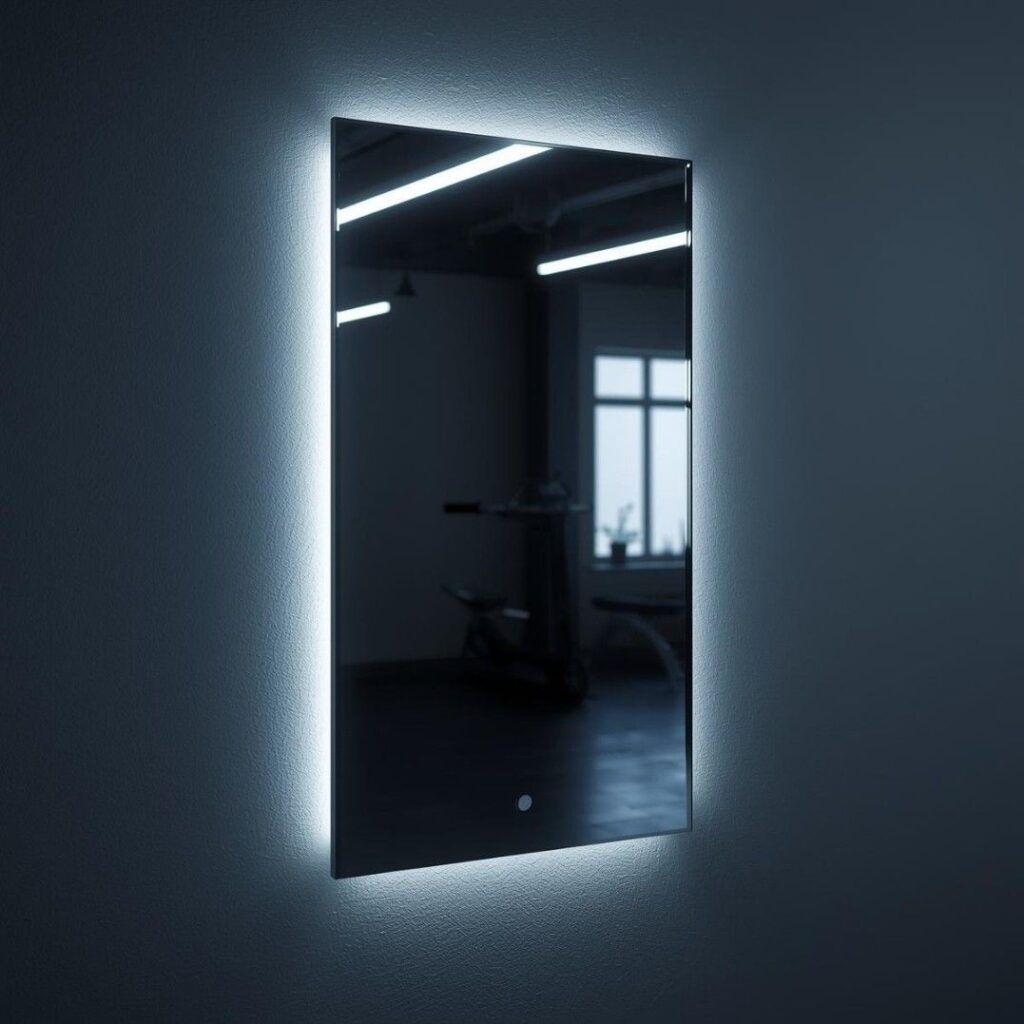
Now we reach the part that feels like the future: Smart mirrors. These belong in the world of luxury home fitness equipment, but the value they provide goes beyond aesthetics.
If you’ve ever struggled with motivation, proper form, or knowing what type of workout to do… smart mirrors solve all of that. They essentially bring the personal-trainer experience into your home without taking up actual floor space. They mount on a wall like decor, and when turned off, they look like a sleek modern mirror. When turned on, they transform into a full fitness guidance system.
Unlike traditional equipment, smart mirrors don’t just give you workouts—they give you structure. They guide you through programs. They correct your form. They track your progress. Some even use digital resistance so you don’t need free weights at all. For people trying to build strength in a tiny apartment, digital resistance is a game-changer.
A lot of customers who invest in these systems feel like it completely eliminates the mental barrier to working out. When your gym is literally on your wall, always ready, offering coaching and instant feedback, your excuses vanish.
Affordable Home Fitness Equipment That Actually Works

Not everyone wants or needs expensive machines or smart systems. Many people simply want the best affordable home fitness equipment that gets the job done without high-tech features. And the good news is: a small, low-budget home gym can be shockingly effective.
A set of resistance bands can replace entire cable machines. A jump rope can outperform treadmills for calorie burn. A kettlebell can give you strength, power, and cardio in one tool. And none of these take up more space than a shoe shelf.
People often underestimate simple equipment because it’s not flashy—but for fat loss, mobility, strength, and functional fitness, this is some of the most effective gear on the planet.
Home Fitness Equipment for Seniors: The Overlooked Category
One category that doesn’t get enough attention is home fitness equipment for seniors. As people age, mobility, balance, and joint health become top priorities. Compact equipment designed with stability and low-impact movement in mind can genuinely improve quality of life.
Seniors don’t need heavy lifting equipment. They need safe, gentle movement. Seated ellipticals, pedal bikes, resistance bands, balance boards, and low-impact machines help maintain strength and keep joints healthy. These tools often come with wide bases, stabilizing handles, and smooth resistance that protects the knees and hips.
For seniors aging at home—or families supporting aging parents—this equipment isn’t just fitness gear. It’s independence.
Matching Your Equipment to Your Goals
The mistake many people make is buying random pieces of equipment without thinking about their long-term goals. But your home gym doesn’t need to be complicated. You only need equipment that matches your primary objective.
If your goal is weight loss, the best approach is combining low-impact cardio with light resistance. An under-desk walking pad paired with resistance bands gives you metabolic training all day long.
If your goal is strength, prioritize adjustable dumbbells or digital resistance systems that grow with you.
If your goal is overall fitness, choose multi-use equipment like kettlebells, foldable benches, and bands that allow you to switch between strength, HIIT, mobility, and endurance.
Financing, Used Gear, and Budget Strategies
Not everyone wants to spend thousands upfront. Luckily, there are ways to build a home gym without financial stress. Many companies offer home fitness equipment financing, allowing you to spread payments over 12, 24, or even 48 months.
If you’re considering used equipment, choose non-electronic items like dumbbells, kettlebells, and racks. For electronics, always check the motor, belt, and warranty—repairs can cost more than buying new.
The goal is not to build the most expensive home gym—it’s to build the one that fits your life.
Final Verdict: The Secret to a Perfect Home Gym
A great home gym isn’t built with huge machines or bulky racks—it’s built with intention. The key is prioritizing small home fitness equipment, choosing pieces that give you maximum versatility with minimum space, and selecting tools that support your lifestyle, your goals, and your living situation.
With the right choices, your home gym becomes an extension of your daily routine—not a burden, not an eyesore, and definitely not a storage problem.
❓ Frequently Asked Questions (FAQ)
Home Fitness & Home Gym Equipment
1. What’s the best way to start fitness at home without equipment?
You can begin with simple bodyweight movements like squats, push-ups, planks, and light stretching. A home fitness routine with no equipment still builds strength and improves flexibility. Once you’re consistent, you can slowly add simple home fitness equipment like resistance bands or dumbbells.
2. What are the must-have home fitness equipment items for beginners?
Most beginners do well with essential home fitness equipment such as resistance bands, a yoga mat, light dumbbells, and a compact bench. These pieces are affordable, easy to store, and great for all fitness levels.
3. What is the best home fitness equipment for weight loss?
Weight loss comes from consistency, but tools like jump ropes, resistance bands, kettlebells, and compact treadmills are commonly recommended. If you prefer cardio, best home fitness equipment for weight loss includes rowing machines, stationary bikes, or any equipment that keeps your heart rate elevated.
4. Is small or compact home fitness equipment effective?
Absolutely. Many people use compact home fitness equipment because it fits in small apartments or tight spaces. Mini bikes, foldable benches, adjustable dumbbells, and portable all-in-one systems offer full workouts without taking over your home.
5. Where can I find affordable home fitness equipment?
You can explore online marketplaces, sporting stores, or even local listings for used home fitness equipment. Budget-friendly sets like resistance bands and jump ropes are great options if you’re looking for affordable home fitness equipment or starting on a tight budget.
6. What’s the difference between home fitness equipment and home gym equipment?
Home fitness equipment usually refers to smaller items used for general workouts — like mats, resistance bands, or dumbbells.
Home gym equipment includes larger or all-in-one home gym equipment designed to replace multiple machines, offering strength training, cardio, or full-body workouts.
7. What is the best home gym equipment for beginners?
For beginners setting up a gym at home, the basics go a long way: adjustable dumbbells, a stability ball, resistance bands, and a bench. If you want something more complete, consider home gym equipment all in one systems—they save space and offer a full-body routine.
8. Is it worth buying used home gym equipment?
Yes, if the equipment is in good condition. Many people find excellent deals on used home gym equipment like weights, benches, and bikes. Always check for safety, stability, and wear before buying.
9. What is the best workout equipment for a small home gym?
For limited space, look for best compact home gym equipment like adjustable dumbbells, folding racks, portable cable machines, and mini-steppers. These offer great versatility without taking up much room.
10. What home gym equipment is best for weight loss?
For burning calories quickly, consider treadmills, rowing machines, ellipticals, or air bikes. Strength training is important too — so even basic gym equipment for home like kettlebells or dumbbells can help boost metabolism and speed up results.
11. Can I build my own DIY home fitness equipment?
Yes! Many people create DIY home fitness equipment like sandbags, wooden plyo boxes, or homemade weight plates. Just make sure everything is sturdy and safe before using it.
12. Do seniors need special home fitness equipment?
Seniors often benefit from low-impact gear like pedal exercisers, light dumbbells, resistance bands, and recumbent bikes. Our guides also include picks for the best home fitness equipment for seniors that support safe, joint-friendly workouts.
Your Next Steps
➡️ Read Next: The Best Home Gym Equipment for Every Budget and Space (2026 Insider Reviews)